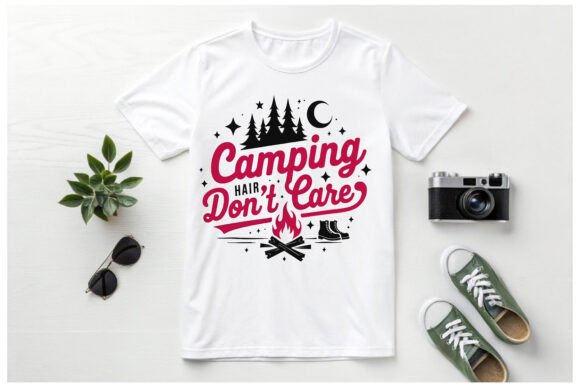
Camping T-shirt Design: A Graphic Designer's Guide to Outdoor Aesthetics
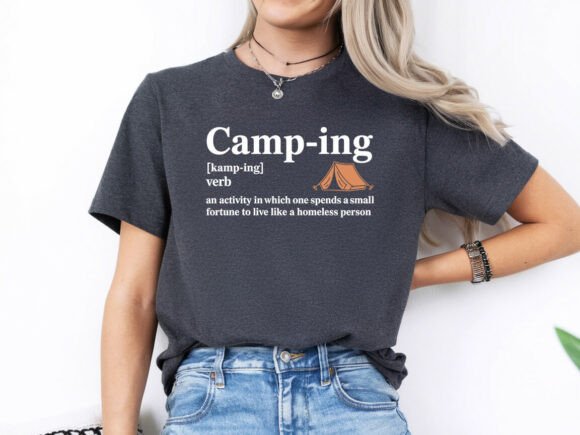
A well-executed camping t-shirt design does more than just display a graphic; it captures the spirit of adventure, freedom, and connection to nature. For graphic designers and creative professionals, these designs represent a unique niche where visual storytelling meets practical application. They are essential assets for branding, merchandise, and marketing campaigns that target outdoor enthusiasts, travel brands, and lifestyle companies.
The Role of Camping Graphics in Visual Communication
In modern graphic design, outdoor and adventure themes communicate core values like exploration, resilience, and tranquility. A thoughtfully crafted camping illustration or typographic treatment can instantly set a mood and establish a powerful visual identity. This makes such assets invaluable for creating a cohesive brand experience across multiple platforms, from a company's logo and packaging to its social media presence and website UI.
The practical applications for high-quality camping-themed designs are extensive. They serve as foundational elements for:
- Branding & Logo Design: Creating memorable marks for outdoor gear companies, campgrounds, or adventure tours.
- Marketing Materials: Designing eye-catching posters, flyers, and digital ads for seasonal promotions or events.
- Social Media Content: Developing engaging posts, stories, and profile graphics that resonate with nature-loving audiences.
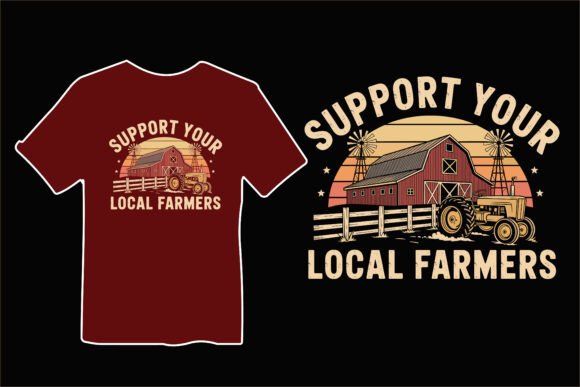
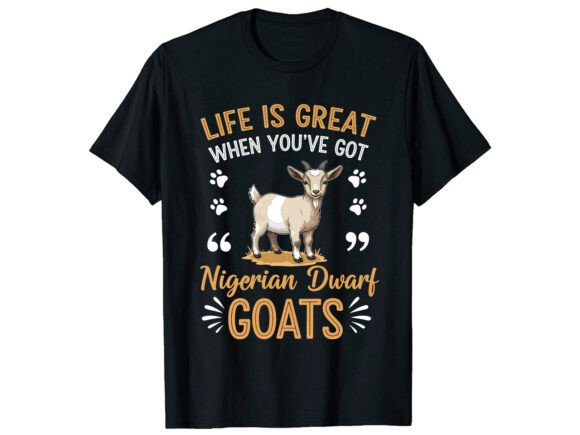
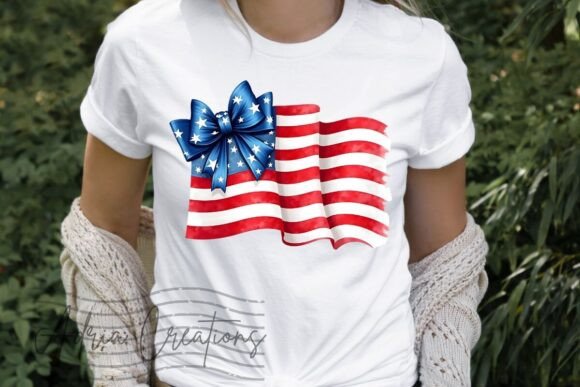
- Merchandise & Print-on-Demand: Producing appealing apparel, mugs, stickers, and posters for e-commerce stores.
- Editorial & Web Design: Enhancing blog posts, travel guides, and website hero images with immersive visual elements.
Choosing and Applying Design Elements Effectively
When selecting camping t-shirt designs or similar graphic assets, a designer must consider more than just aesthetic appeal. The effectiveness of the visual depends on its alignment with the project's goals and its technical execution.
Evaluating Quality and Versatility
Look for designs that are vector-based (like EPS files) or high-resolution, ensuring they scale perfectly from a small favicon to a large banner. Assess the color palette—does it evoke the right feeling? Earthy tones suggest ruggedness, while bright, clean colors can feel more modern and approachable. Check for balanced visual hierarchy and clean composition, which are critical for readability and professional presentation, especially on merchandise.
Integrating with Brand Identity
A successful design integrates seamlessly with an existing brand system. Consider the typography used; does it complement the brand's voice? A bold, rugged font suits a survival gear company, while a clean, sans-serif might better fit a modern eco-resort. Ensure the imagery supports the brand's story, whether it's about cozy nights by the campfire or the thrill of backpacking through wilderness.
Practical Application Tips
- Test for Context: View the design on its intended medium—mock it up on a t-shirt, a website header, or a social media card to judge its impact.
- Customize Thoughtfully: Use the asset as a starting point. Adjust colors, combine elements with other graphics, or integrate custom text to make it unique to the project.
- Maintain Consistency: When building a campaign or brand identity, use a consistent style of camping graphics to create a unified and recognizable visual language.
Ultimately, the power of a camping-themed design lies in its ability to evoke emotion and tell a story at a glance. By prioritizing assets that are not only visually striking but also technically sound and versatile, designers and creators can significantly elevate their projects. Investing in high-quality, thoughtfully crafted graphics ensures that every visual touchpoint—from a t-shirt to a digital ad—communicates effectively, strengthens brand identity, and leaves a lasting impression on the audience.